

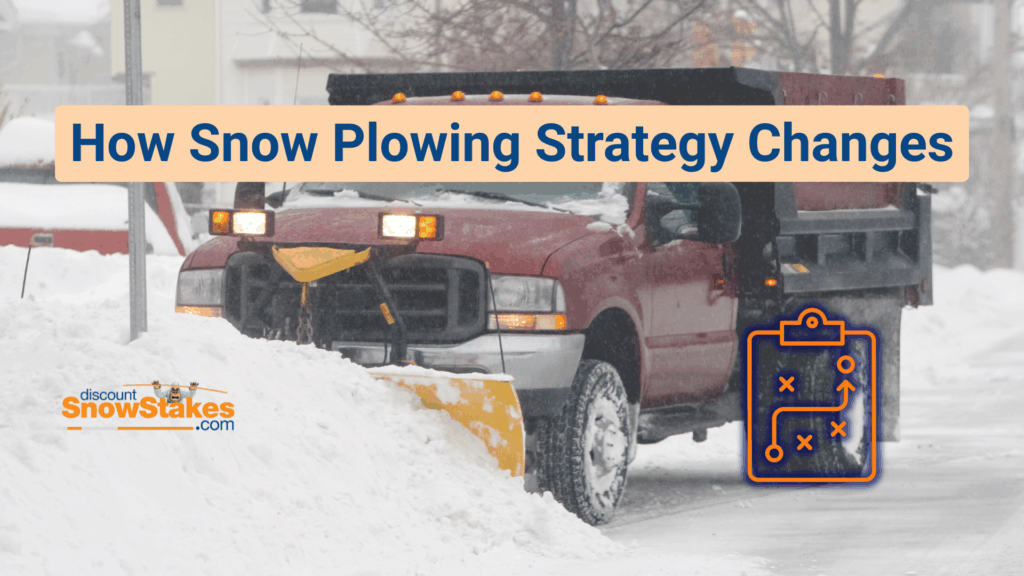
Not all snow is created equal. Snow depth and snow type play a major role in how effective and efficient a plowing operation will be. Contractors who adjust their snow plowing strategy based on conditions can reduce equipment strain, improve surface results, and complete routes faster.
Understanding the differences between powder snow, wet snow, and layered storms helps crews make better decisions before the first pass even begins.
Why Snow Type Matters
Snow type determines how heavy the load is, how it moves, and how it behaves once plowed. Ignoring these differences can lead to poor stacking, surface damage, or unnecessary wear on trucks and plows.
The three most common scenarios contractors face are light powder snow, heavy wet snow, and layered or mixed storms.
Plowing Light Powder Snow
Powder snow is typically light, dry, and easy to move. While this sounds ideal, it comes with its own challenges.
Best practices for powder snow include:
- Using full blade width when accumulation is low
- Higher plowing speeds while maintaining control
- Windrowing efficiently to keep piles organized
Because powder snow can drift back into cleared areas, it is important to plow with prevailing wind direction in mind. Multiple light passes often work better than waiting for deeper accumulation.
Plowing Heavy Wet Snow
Wet snow is dense, heavy, and far more demanding on equipment. This type of snow requires a slower, more deliberate plowing strategy.
Key techniques for wet snow:
- Take narrower passes to reduce strain on trucks
- Push snow in stages instead of one long pass
- Stack piles early to prevent space issues later
Wet snow also increases the risk of surface damage, especially on decorative concrete, pavers, and turf edges. Clearly marked driveways and lot edges help operators stay accurate when visibility drops.
Handling Layered or Mixed Storms
Layered storms occur when snow falls in stages or when rain, sleet, and snow combine. These conditions are often the most challenging.
Effective layered storm strategies include:
- Plowing early and often to prevent bonding
- Removing top layers before they compact
- Adjusting blade pressure as conditions change
When snow bonds to the surface, scraping becomes harder and salt usage increases. Early intervention saves time and material costs.
Adjusting Strategy Based on Snow Depth
Snow depth directly impacts how aggressive a plowing approach should be.
General guidelines:
- Under 2 inches: full blade width, fast cleanup
- 3 to 5 inches: controlled passes, consistent windrows
- Over 6 inches: staged plowing in layers
Deep snow should never be attacked all at once. Layered passes reduce mechanical stress and improve control, especially in tight areas.
Final Thoughts
Successful snow removal is about adapting to conditions, not using the same approach every storm. Snow depth and snow type should guide plowing speed, blade angle, pass width, and pile placement. Contractors who adjust their snow plowing strategy based on real conditions work safer, faster, and with fewer callbacks.
Looking for the best snow removal equipment?
Visit DiscountSnowStakes.com
Email: [email protected]
Call: (866) 938-0922